



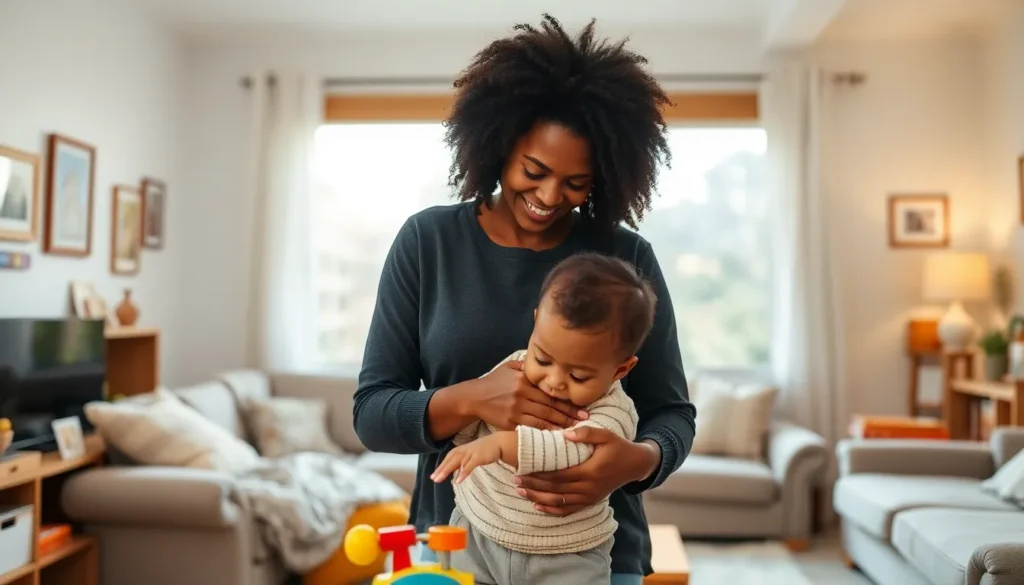


In the world of parenting, terms can often get tangled like a toddler in a spaghetti dinner. When it comes to solo and single parenting, many people use them interchangeably, but there’s more than meets the eye. Understanding these distinctions can help clarify the unique challenges and triumphs that come with each parenting style.
Solo parenting is like being a superhero on a one-person mission, while single parenting often involves navigating the complexities of co-parenting relationships. Both paths have their quirks and rewards, but they’re not the same. So, buckle up as we dive into the delightful chaos of parenting—where every day is an adventure and every moment is a chance to learn. Whether you’re a seasoned pro or just starting out, knowing the difference can make all the difference in your parenting journey.
Understanding Solo Parenting
Solo parenting involves a parent raising a child independently without any co-parenting involvement. This journey primarily relies on one person’s resolve and adaptability.
Definition of Solo Parenting
Solo parenting refers to situations where one individual takes full responsibility for a child’s upbringing. Unlike single parenting, solo parenting typically lacks any collaborative co-parenting arrangements. In this context, the single parent shoulders all tasks related to caregiving, decision-making, and emotional support, often resulting in a profound bond with the child. This parenting style highlights self-sufficiency and the ability to manage challenges without external help.
Key Characteristics of Solo Parenting
Solo parenting showcases several distinct features. First, the parent exercises sole authority, making all decisions for the child. Second, emotional and financial responsibilities fall solely on one individual, which can create added pressure. Third, solo parents often develop strong time management skills as they juggle work and family duties. Additionally, building a support network can be crucial for emotional health, as isolation often accompanies this parenting style. Finally, solo parents frequently foster resilience in their children, as kids learn adaptability from their parent’s example.
Understanding Single Parenting
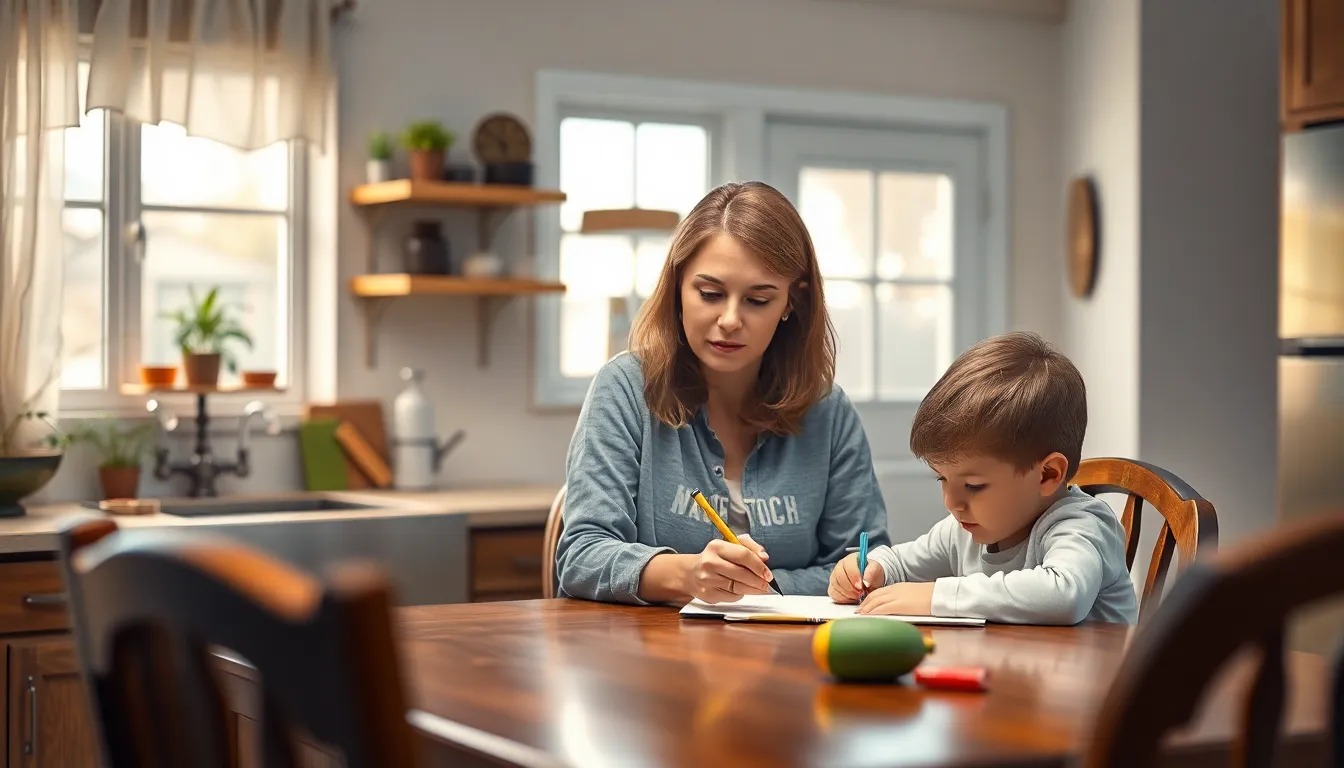
Single parenting encompasses various experiences and challenges involving a parent raising children without a partner. This scenario often includes situations where the child’s other parent may be present but does not share daily parenting responsibilities.
Definition of Single Parenting
Single parenting refers to a household led by one individual responsible for a child’s upbringing. This parent engages in caregiving tasks, decision-making responsibilities, and emotional support without collaboration from a co-parent. Unique dynamics arise in these situations, affecting both the parent and child’s daily lives. Legal factors, like custody arrangements, often come into play, influencing the structure of the family. Emotional adjustments are common as well, necessitating resilience and adaptability for both parent and child.
Key Characteristics of Single Parenting
Single parenting features distinct traits that shape the experience. Support networks often become essential for emotional and logistical assistance. Financial responsibilities rest solely on the single parent, creating unique budgeting challenges. Time management skills emerge as critical because balancing work, caregiving, and personal life demands a careful approach. Opportunities for cultivating independence in children arise with responsibilities shared at home. These characteristics illuminate the complexities faced, emphasizing both challenges and rewards inherent in single parenting.
Comparing Solo and Single Parenting
Solo and single parenting present distinct emotional and social experiences for both parents and children. While solo parents may develop a profound bond due to their singular role, they often confront feelings of isolation. On the other hand, single parents might navigate complexities arising from co-parenting relationships, leading to mixed emotions. Children raised in solo households may exhibit resilience through witnessing their parent’s independence. Conversely, kids in single-parent families might experience fluctuations in emotional support based on interactions with the other parent.
Social circles also differ; solo parents frequently rely on friends or extended family to create support networks. Single parents may need to establish collaborative arrangements with their children’s other parent, enhancing their emotional stability. Both parenting styles call for developing adaptive social skills, though the context and challenges vary.
Emotional and Social Impacts
Emotional dynamics shift between solo and single parenting, influencing children’s development. Solo parents often experience high emotional investment due to primarily caregiving. This focus can lead to intense bonds, yet also result in feelings of loneliness. Children may feel deeply connected but also bear the weight of their parent’s struggles.
Single parents frequently juggle emotional support from their children and interactions with the other parent. Children in these arrangements can benefit from dual perspectives, yet they might also experience challenges surrounding loyalty or emotional conflict. Engaging in support groups or community activities proves beneficial for emotional health in both scenarios, fostering resilience in children.
Financial Implications
Financial responsibilities differ significantly between solo and single parenting. Solo parents face the burden of sole financial support, which can lead to budgeting challenges. Without shared income sources, they may prioritize spending on essential needs, affecting overall quality of life. The lack of a second income often requires strategic financial planning for education, healthcare, and daily living expenses.
Single parents might share some financial burdens with the other parent, depending on custody agreements or child support arrangements. However, they still face unique challenges managing finances alone, particularly when expenses vary based on the child’s living arrangements. Navigating expenses effectively often determines their financial stability, influencing their ability to provide for their children over time.
Support Systems for Parents
Support systems play a crucial role for both solo and single parents. These networks provide emotional, informational, and practical assistance, enhancing the parenting experience.
Resources for Solo Parents
Solo parents can benefit from dedicated resources that truly cater to their unique struggles. Local community groups often organize events for support and connection. Online forums can offer a space for sharing experiences and advice. Many organizations provide parenting workshops that focus on skill-building and empowerment. Contacting local nonprofits can also lead to access to services like counseling and financial assistance. Knowing where to seek help can bolster resilience and well-being.
Resources for Single Parents
Single parents have their own set of valuable resources. Support groups specifically designed for single parents create opportunities to connect with others facing similar challenges. Finding local programs offering childcare assistance can alleviate some daily pressures. Many states provide resources through family services organizations, including legal and financial guidance. Websites focusing on single parenting offer a wealth of information, from budgeting to self-care tips. Engaging with these resources can foster a strong support network, making the journey easier.
Understanding the differences between solo and single parenting is crucial for navigating the unique challenges each presents. Solo parents often face the weight of full responsibility, fostering deep connections with their children while also managing feelings of isolation. On the other hand, single parents juggle co-parenting dynamics and emotional complexities that can influence their children’s experiences.
Both parenting styles require strong support systems to thrive. By recognizing these distinctions, parents can better equip themselves for the journey ahead, ensuring they provide the best environment for their children to grow and flourish.