






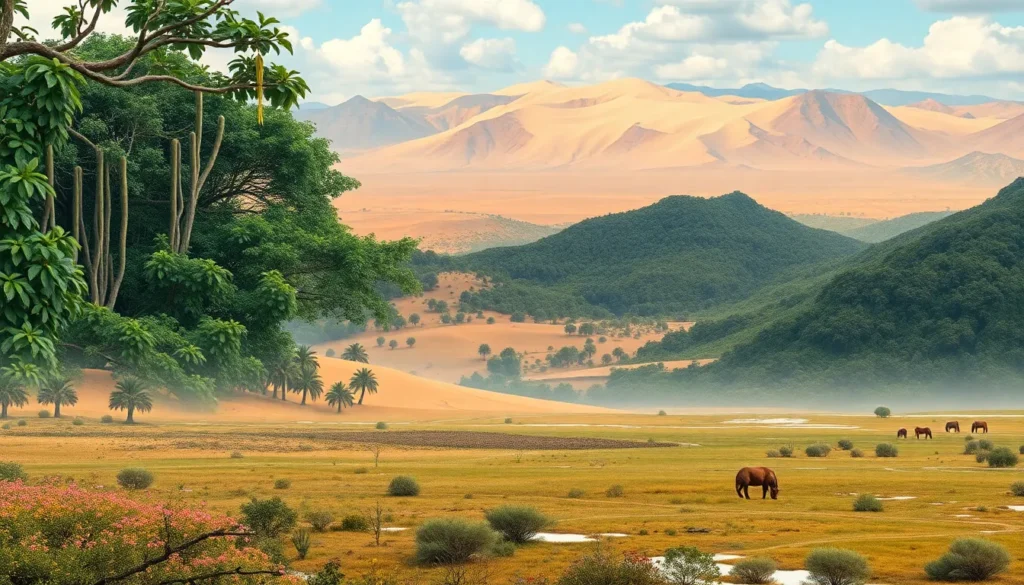
When it comes to acing that terrestrial biomes homework, it’s not just about memorizing facts—it’s about understanding the wild world around us. From the sun-baked deserts to the lush rainforests, each biome tells a story of survival and adaptation. But let’s face it, studying can feel like wandering through a dense jungle without a map.
Overview of Terrestrial Biomes
Terrestrial biomes represent distinct ecological regions defined by climate, soil, and vegetation types. These biomes showcase a broad spectrum of biodiversity, playing crucial roles in the Earth’s ecosystem. Deserts, characterized by low precipitation and extreme temperatures, exhibit unique adaptations, including succulents that conserve water. Grasslands provide ample space for herbivores and often host large predators, maintaining balance within their ecosystem.
Forests, divided into tropical, temperate, and boreal types, contribute significantly to global carbon storage. Tropical rainforests feature high biodiversity and dense canopy structures, while temperate deciduous forests experience seasonal changes. Boreal forests, known for coniferous trees, withstand cold climates and short growing seasons.
Tundras, marked by permafrost, showcase limited vegetation with low-growing plants adapted to harsh conditions. This biome supports specialized wildlife that has evolved to thrive in extreme environments. Each biome is interdependent, relying on adjacent ecosystems for nutrients and energy.
Additionally, understanding these biomes aids in comprehending global ecological processes. Climate change impacts various regions differently, influencing species distributions and ecosystem dynamics. Focus on these intricate relationships enhances comprehension and retention of key information.
Studying terrestrial biomes involves recognizing both individual characteristics and their interactions with global systems. Assignments that analyze these aspects encourage productive exploration of biomes’ roles in maintaining ecological balance. By emphasizing the narrative around survival and adaptation within each biome, students gain insights that promote deeper understanding and longer-lasting knowledge.
Importance of Studying Terrestrial Biomes

Studying terrestrial biomes provides essential insights into Earth’s diverse ecosystems. Understanding their complexities fosters environmental awareness and encourages sustainable practices.
Biodiversity and Ecosystem Services
Biodiversity within terrestrial biomes supports over a million species of plants and animals. Each biome contributes unique ecosystem services, such as clean air, fresh water, and pollination. Tropical rainforests serve as carbon sinks, mitigating climate change impacts. Grasslands promote soil health through nutrient cycling. Deserts, despite their harsh conditions, host specialized species adapted to extreme environments. These relationships highlight the importance of conservation efforts aimed at protecting biodiversity and maintaining ecosystem balance.
Climate and Geography Influence
Climate and geography are critical factors shaping terrestrial biomes. Temperature and precipitation patterns determine the types of vegetation that can thrive in each biome. For instance, deserts feature sparse vegetation due to limited rainfall. In contrast, tropical rainforests boast high biodiversity supported by consistent warmth and moisture. Geographic features such as mountains and valleys create microclimates, influencing species distribution. Changes in climate can dramatically alter these patterns, affecting both local and global ecosystems. Understanding these influences enhances awareness of environmental changes and their long-term implications.
Types of Terrestrial Biomes
Terrestrial biomes encompass diverse ecosystems, each defined by unique climate and vegetation. Understanding these biomes aids in grasping the broader ecological networks they support.
Forest Biomes
Forest biomes cover approximately 31% of Earth’s land area and consist of various types, including tropical, temperate, and boreal forests. Tropical forests, located near the equator, showcase the highest biodiversity, with over half of the world’s plant species found here. Temperate forests exhibit distinct seasonal changes, hosting trees that shed leaves in autumn. Boreal forests, also known as taiga, have coniferous trees and are adapted to cold climates. Each forest type plays a vital role in carbon sequestration and provides habitats for countless species.
Grassland Biomes
Grassland biomes occupy about 40% of Earth’s terrestrial surface and include prairies, savannas, and steppes. Prairies typically feature tall grasses and support herbivorous grazers like bison. Savannas, characterized by scattered trees, experience a seasonal rainfall pattern that fosters both grasses and large herbivores such as elephants. Steppes, found in regions like Central Asia, exhibit short grasses and endure extreme temperature fluctuations. Grasslands contribute significantly to soil health and act as essential habitats for numerous species.
Desert Biomes
Desert biomes cover roughly 33% of Earth’s land area, showcasing extreme conditions with less than 10 inches of rainfall annually. Arid environments like the Sahara and the Mojave host specialized plants such as cacti and succulents that conserve water. Adapted animals, such as camels and coyotes, thrive here, exhibiting unique behaviors to survive harsh climates. Deserts remain critical in ecological functions by supporting nutrient cycling and regulating temperature extremes.
Tundra Biomes
Tundra biomes account for about 20% of Earth’s surface, primarily around the Arctic and Antarctic regions. Characterized by permafrost, these cold environments support limited vegetation, including mosses and lichens. Short growing seasons prevent most plants from thriving. Arctic animals, such as caribou and polar bears, have adapted to these frigid conditions. Tundras play a crucial role in climate regulation, acting as carbon sinks and helping moderate global temperatures.
Tips for Effective Homework on Terrestrial Biomes
Understanding terrestrial biomes involves thorough research and practical study strategies. These approaches enhance comprehension and retention, fostering a deeper grasp of complex ecological systems.
Research and Resources
Using a variety of research materials improves knowledge of terrestrial biomes. Academic journals provide peer-reviewed information on biodiversity and ecosystem functions. Textbooks cover foundational concepts, helping students understand climate influences. Online databases offer access to recent studies, aiding in up-to-date insights. Visual resources like documentaries and infographics illustrate biome characteristics effectively. Engaging with native habitats through virtual tours or local field trips fosters experiential learning, connecting theory with reality.
Study Strategies and Techniques
Applying effective study techniques enhances understanding of the material. Active note-taking encourages retention and recall of key information. Mind mapping visually organizes information about different biomes, highlighting relationships and characteristics. Group study sessions facilitate discussion, allowing for clarifications on challenging topics. Creating flashcards strengthens memorization of biome facts, such as climate and vegetation types. Short, focused study sessions promote better concentration and reduce overwhelm. Utilizing quizzes or practice tests reinforces learning and identifies areas needing further review.
Common Challenges in Understanding Terrestrial Biomes
Understanding terrestrial biomes presents several challenges for students. One common difficulty involves grasping the intricate relationships between climate, soil, and vegetation. Misunderstandings often arise when students fail to recognize how these factors interconnect in each biome. For instance, students may struggle with identifying the adaptations specific to organisms living in deserts versus those in tropical forests.
Another challenge comes from memorizing the vast array of species and their roles within different biomes. With more than a million species residing in these ecosystems, keeping track of relationships can overwhelm learners. Additionally, the significance of ecosystem services, such as carbon sequestration and pollination, might not resonate without practical examples.
Students frequently encounter confusion regarding geographical distributions. Recognizing how temperature and precipitation influence biome characteristics often proves complex. These geographic factors not only determine what flora and fauna thrive but also impact global ecological processes, including climate change effects.
Resource availability can also hinder understanding. Limited access to academic journals, textbooks, and visual media restricts deeper engagement with the subject matter. Encouraging diverse resource use, from documentaries to virtual tours, can significantly enhance comprehension.
Group study sessions often add to the learning experience, yet not all students take advantage of collaboration. Active participation in discussions about various biomes aids in reinforcing concepts and preventing isolation in learning. Short quizzes serve as effective tools for testing knowledge and identifying areas for further review, promoting continuous improvement.
Various obstacles impact students’ understanding of terrestrial biomes. Through strategic study techniques and effective resource utilization, these challenges can diminish, facilitating better comprehension and appreciation for the world’s ecological diversity.
A solid understanding of terrestrial biomes is essential for grasping the complexities of Earth’s ecosystems. By exploring the unique characteristics of each biome students can appreciate the intricate relationships that sustain life. Engaging with diverse resources and employing effective study strategies can significantly enhance their learning experience.
Fostering a deeper awareness of these biomes not only promotes academic success but also encourages a commitment to environmental stewardship. As students connect theory with real-world applications they become better equipped to advocate for the protection of biodiversity and the sustainability of natural habitats. This knowledge is crucial for addressing the challenges posed by climate change and ensuring a healthier planet for future generations.