






In a world where parenting often feels like a circus act, solo parenting stands out as a thrilling one-person show. It’s not about being single; it’s about embracing the adventure of raising kids on your own terms. Picture this: juggling school runs, playdates, and the occasional meltdown, all while mastering the art of self-care. Who needs a partner when you’ve got the superhero cape of solo parenting?
This isn’t just a buzzword; it’s a lifestyle that empowers individuals to thrive in their unique family dynamics. Solo parents are not alone in their journey; they’re part of a vibrant community that understands the joys and challenges of parenting solo. So, let’s dive into the world of solo not single parenting, where independence meets resilience, and laughter is the best parenting hack.
Understanding Solo Not Single Parenting
Solo not single parenting emphasizes independent child-rearing without equating it to being single. It recognizes the unique journey of parenting alone while forming strong parental bonds.
Definition and Key Differences
Solo parenting signifies a commitment to raising children independently, often involving custodial responsibilities without co-parenting. Unlike single parenting, which may include shared parenting arrangements, solo parenting encompasses a greater level of autonomy in decision-making and daily routines. Families led by solo parents typically face distinct challenges, such as lack of shared resources or emotional support. This type of parenting emphasizes resilience and self-sufficiency.
Common Misconceptions
Many people mistakenly believe solo parenting means being overwhelmed by loneliness. In reality, solo parents often create strong support networks to combat isolation. Another misconception is that solo parents lack collaborative co-parenting, overlooking those who may still share parenting tasks with non-custodial parents. Some assume solo parents face more difficulties, while many thrive, finding joy in their unique parenting experience. The focus shifts to developing independence, self-care, and strong relationships with children.
The Challenges of Solo Not Single Parenting

Solo not single parenting involves unique challenges that can impact emotional, mental, and financial well-being. Identifying and addressing these concerns contributes to a successful solo parenting experience.
Emotional and Mental Health
Managing emotional and mental health proves essential for solo parents. Feelings of isolation can arise, even within supportive networks. Prioritizing self-care activities helps combat stress and enhances overall well-being. Accessing therapy or support groups often proves beneficial for emotional resilience. Building strong, trusting relationships with children creates a sense of shared understanding that alleviates loneliness. Engaging in regular communication nurtures both parent and child, fostering emotional stability.
Financial Considerations
Financial challenges frequently arise in solo not single parenting situations. Budgeting becomes crucial when managing single incomes. Tracking expenses allows parents to make informed decisions about their finances. Securing child support, when applicable, provides additional stability. Considering affordable childcare solutions helps reduce operational costs. Exploring community resources can yield valuable assistance, making a difference in daily life. Careful financial planning empowers solo parents to navigate their circumstances effectively.
Benefits of Solo Not Single Parenting
Solo not single parenting offers unique advantages that enhance both the parent’s life and the child’s development. This approach fosters independence while promoting personal growth.
Independence and Personal Growth
Independence becomes a fundamental aspect of solo parenting. Parents manage daily responsibilities and decision-making autonomously, which builds confidence and self-reliance. Many discover new skills, whether it’s cooking meals or organizing schedules. Making choices without the need for constant approval allows them to understand their values better. They often experience personal growth through challenges and learn to embrace resilience. Engaging in self-reflection helps refine parenting styles, resulting in a stronger sense of purpose. This journey of discovery can lead to fulfillment in both personal and family life.
Strengthened Parent-Child Bond
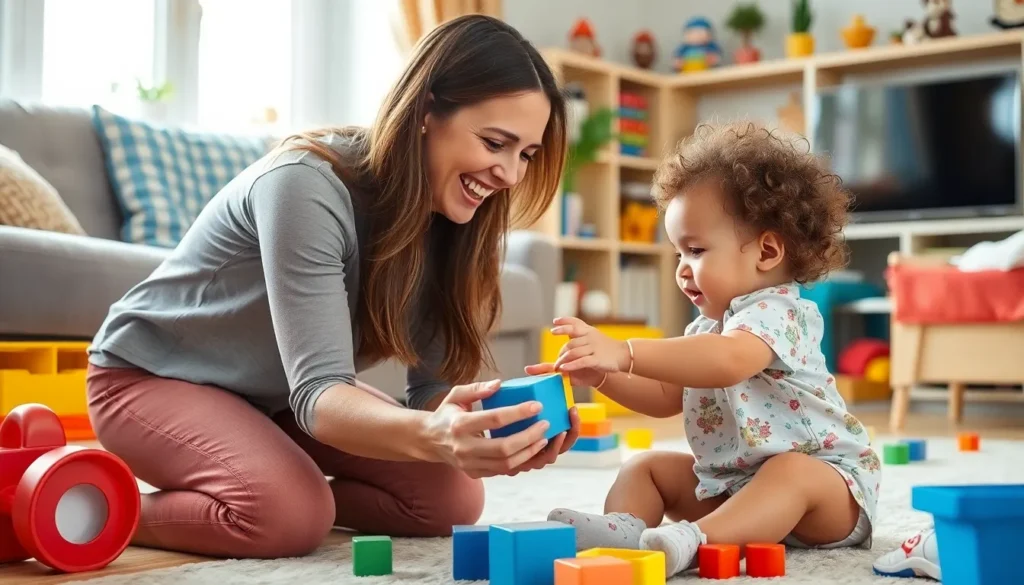
Strengthened bonds occur through dedicated one-on-one time between parent and child. Solo parenting encourages meaningful interactions and open communication. Parents often engage in shared activities, whether it’s reading novels together or exploring the outdoors. These experiences foster mutual trust and understanding. Moments spent together reveal the child’s unique perspective, encouraging emotional intelligence. Children benefit from individualized attention, which enhances their emotional well-being. This connection transforms into a strong support system that empowers both parent and child, ultimately leading to a healthier familial relationship.
Strategies for Successful Solo Not Single Parenting
Solo not single parenting presents unique challenges and rewards. Implementing effective strategies enhances the experience.
Building a Support Network
Cultivating a strong support network proves crucial for solo parents. Connecting with other solo parents, friends, or family fosters understanding and encouragement. Many benefit from local parenting groups or online forums where experiences can be shared. Having reliable sources for advice alleviates feelings of isolation. Engaging in community events or activities allows for the establishment of friendships with similar situations. Regularly communicating with fellow parents creates an avenue for sharing resources and tips. Relying on professionals, such as therapists or counselors, can offer insights for navigating hurdles. Different approaches in parenting from peers can provide fresh perspectives and new strategies.
Effective Time Management
Managing time effectively becomes essential for solo parents. Prioritizing tasks ensures that critical responsibilities are addressed first. Creating a daily or weekly schedule helps in visualizing obligations. Utilizing tools, such as planners or calendar apps, can streamline the organization process. Identifying the most productive hours fosters better focus on important tasks. Setting boundaries around work and personal time enables quality interactions with children. Incorporating time for self-care within the schedule is necessary to maintain mental and emotional health. Allowing flexibility within the routine accommodates unexpected events that may arise. Balancing personal time and children’s activities fosters a smoother daily flow and enhanced well-being.
Solo not single parenting is a journey filled with unique challenges and rewarding experiences. It fosters independence not just for the parent but also for the child, creating a strong bond that thrives on open communication and shared moments. By embracing self-care and building supportive networks, solo parents can navigate this path with confidence and resilience.
The emphasis on personal growth and emotional well-being transforms the solo parenting experience into an empowering adventure. With the right strategies in place, solo parents can turn potential obstacles into opportunities for deeper connections and lasting memories. This vibrant lifestyle celebrates the strength found in independence, proving that solo parenting can be a fulfilling and enriching experience.