





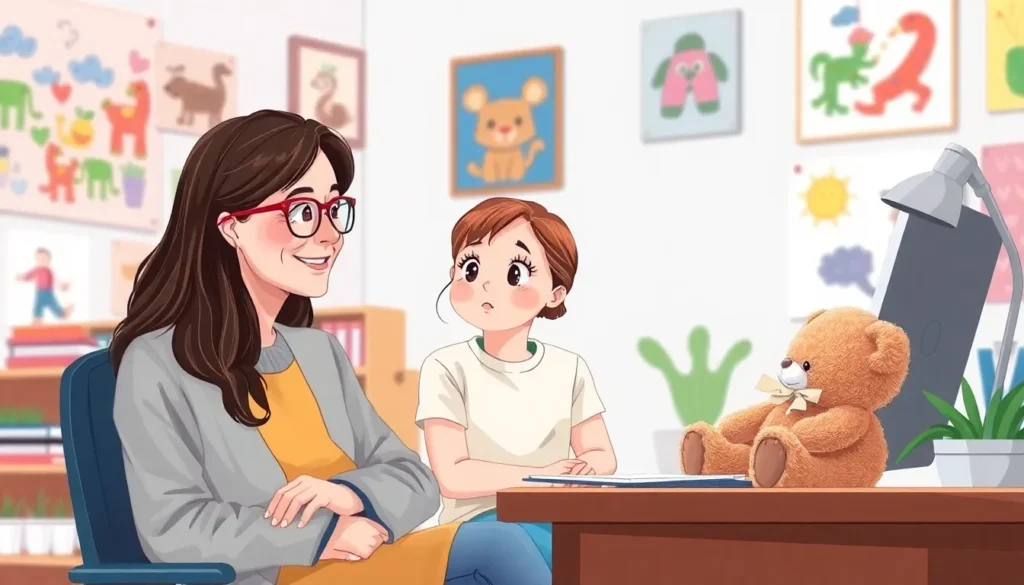
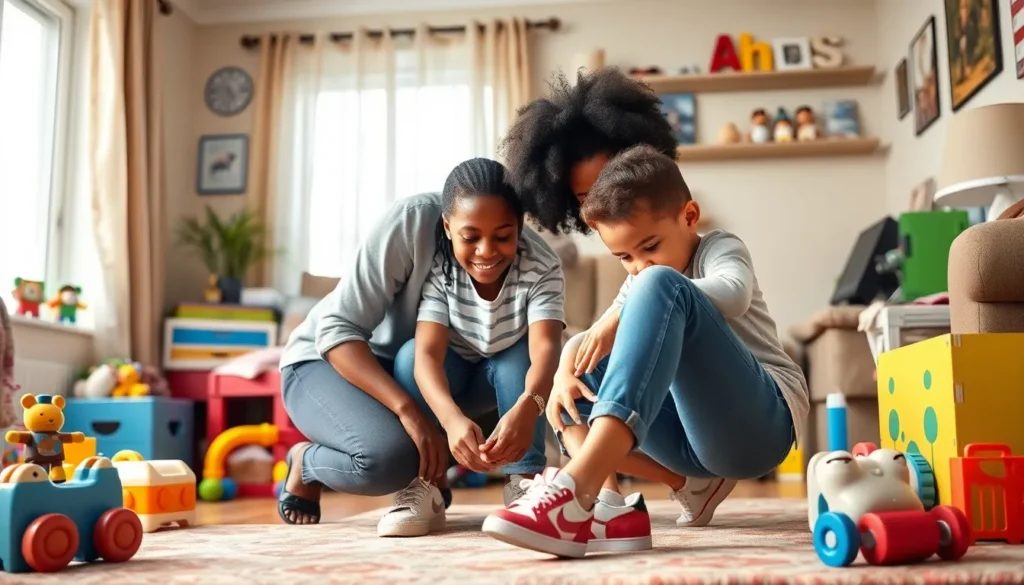
Single parenting is like juggling flaming torches while riding a unicycle—challenging but oddly rewarding. For many, it’s a rollercoaster ride filled with unexpected twists and turns. Whether it’s managing school drop-offs or navigating the complexities of bedtime stories, single parents wear multiple hats, often with a side of humor and a sprinkle of chaos.
Understanding Single Parenting
Single parenting encompasses the experience of raising children without a partner. This dynamic arrangement presents unique challenges and rewards, making it a multifaceted journey for each parent.
Definition and Overview
Single parenting refers to a household where one adult assumes the primary caregiving role for their children. This situation can arise from various circumstances, including divorce, separation, or the choice to raise children independently. Single parents shoulder responsibilities that include financial management, household duties, and emotional support. They often navigate both work and childcare, balancing various tasks while maintaining a stable environment for their children.
Common Reasons for Single Parenting
Various factors contribute to the rise in single parenting. Divorce rates in the U.S. remain high, often resulting in one parent becoming the primary caretaker. The decision to separate from a partner due to differing values or conflicts also leads to single-parent households. In some cases, individuals choose to have children without a partner, driven by personal convictions or circumstances, such as advanced age or fertility challenges. Adoption frequently introduces another dimension, allowing single individuals to become parents. Each reason brings unique challenges and necessitates resilience and adaptability from the single parent.
Challenges of Single Parenting

Single parenting presents multifaceted challenges that affect daily life in various ways. These challenges encompass emotional, psychological, financial, and practical aspects.
Emotional and Psychological Effects
Single parents often experience heightened stress stemming from isolation and overwhelming responsibilities. They navigate feelings of loneliness as support systems may be limited. Children may also suffer emotionally due to the absence of one parent, which can lead to behavioral issues. Anxiety and depression can manifest, affecting both the parent and child. Acknowledging these feelings and seeking external support can alleviate some burdens.
Financial Strain and Budgeting
Budgeting poses significant challenges for single parents. Financial strain frequently results from relying on a single income, which complicates the ability to meet household expenses. Prioritizing essential needs becomes critical, as limited resources require careful planning. Many single parents work multiple jobs to make ends meet. Additionally, unexpected expenses like medical bills can disrupt already tight budgets. Establishing a realistic budget allows for better financial management and stability.
Benefits of Single Parenting
Single parenting offers various advantages that enhance both the parent and child’s experiences. These benefits include unique opportunities for connection and personal growth.
Strengthening Parent-Child Bond
Single parenting fosters a deep bond between parent and child. With one-on-one time, parents can dedicate attention to their child’s needs and interests. Shared experiences create lasting memories, helping to build trust and security within the relationship. Increased communication often occurs, encouraging children to express their thoughts and feelings openly. Parents also gain insight into their child’s development and personality, which strengthens the emotional connection. Engaging in activities together, such as reading or playing games, cultivates a supportive environment, making the relationship thrive.
Development of Independence and Resilience
Single parenting encourages both independence and resilience in children. Managing household tasks alongside their parent teaches them responsibility from an early age. By solving problems together, children develop critical thinking skills essential for life. They experience challenges that enhance adaptability in various situations. Parents illustrate resilience through their own actions, setting a powerful example for their children. This modeling encourages kids to face difficulties with confidence. Ultimately, children learn the value of self-sufficiency, preparing them for future challenges in their lives.
Support Systems for Single Parents
Support systems play a vital role in the lives of single parents. Family and friends often provide essential assistance and emotional backing. They may offer childcare help, companionship, and encouragement. Their understanding creates a sense of belonging and reduces feelings of isolation.
Family and Friends
Family and friends offer invaluable support to single parents. They can assist with childcare during hectic schedules, allowing parents to manage work commitments and personal time. Many parents benefit from the emotional stability that comes with having loved ones nearby. Emotional check-ins from friends can lift spirits on challenging days. Sharing responsibilities, even in small ways, fosters a strong sense of community and connection.
Community Resources and Organizations
Community resources equip single parents with necessary tools and assistance. Various organizations offer programs tailored to help with budgeting, parenting skills, and emotional support. Local food banks provide essential groceries, easing financial burdens. Supporting groups and workshops create spaces for connection and shared experiences among single parents. Utilizing these resources can significantly alleviate stress and encourage personal growth within single-parent households.
Tips for Successful Single Parenting
Single parenting demands effective strategies to navigate daily challenges and thrive. Focus on organization and self-care to foster a healthy environment for both the parent and child.
Time Management Strategies
Prioritizing tasks helps streamline daily responsibilities. Create a schedule that includes designated times for chores, meals, and family activities. Establishing routines reduces chaos and sets expectations for children. Utilize technology like calendar apps to keep everything organized. While planning helps, remain flexible to adapt when unexpected situations arise. Involving children in planning teaches them responsibility and time management skills. Setting specific goals for each week assists in remaining focused and motivated.
Self-Care and Mental Health
Taking time for oneself is crucial in single parenting. Engaging in activities that promote relaxation and well-being enhances mental health. Regular exercise, hobbies, and socializing with friends can significantly reduce stress levels. While care for children comes first, it’s essential not to neglect personal needs. Seek external support when feeling overwhelmed, whether from friends, family, or professional resources. Practicing mindfulness and gratitude can foster a positive mindset. A balanced approach to self-care ultimately benefits both the parent and child, leading to a more harmonious household.
Single parenting presents a unique blend of challenges and rewards that shape the lives of both parent and child. While the journey can be filled with unpredictability and stress, it also fosters resilience and deep connections. Embracing the chaos and finding joy in shared moments can transform daily struggles into cherished memories.
Support systems play a crucial role in navigating this journey, providing essential resources and emotional backing. By prioritizing self-care and effective time management, single parents can create a balanced and nurturing environment. Ultimately, single parenting not only prepares children for future challenges but also cultivates a strong sense of independence and responsibility.