




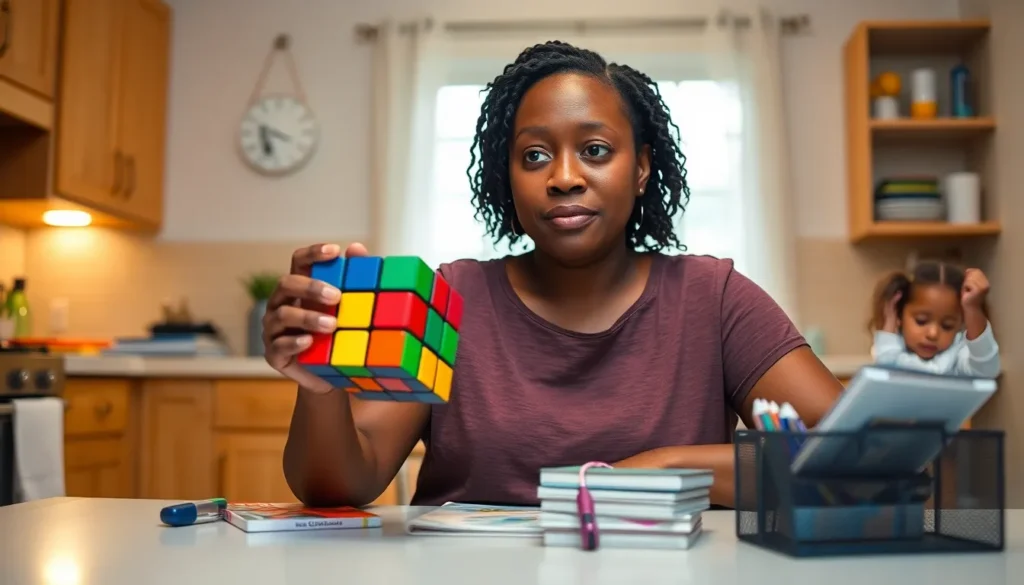
Navigating the world of parenting can feel like trying to solve a Rubik’s Cube blindfolded. When it comes to solo and single parenting, the terms often get tossed around like confetti at a parade. But let’s clear the air: these two styles of parenting are as different as cats and dogs.
Understanding Solo Parenting
Solo parenting involves raising a child independently, without a partner’s support. This approach influences how responsibilities and childcare are managed.
Defining Solo Parenting
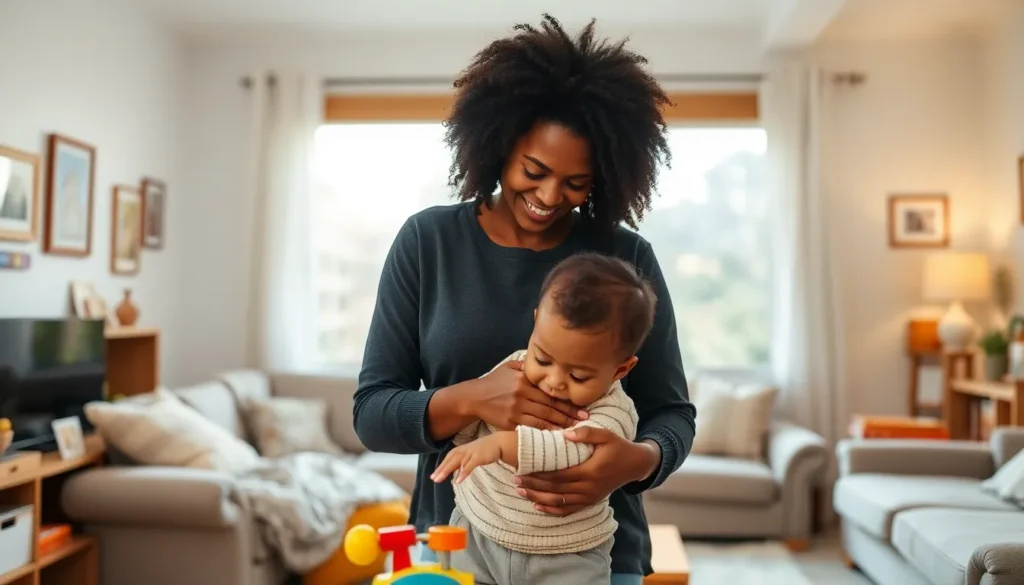
Solo parenting refers to a situation where one person takes on the sole responsibility of raising a child. While single parents may have some external support, solo parents manage everything independently. This often includes emotional, financial, and logistical aspects of parenting without assistance from a partner. Many solo parents face unique challenges, including balancing work and family commitments, as their roles are not shared.
Characteristics of Solo Parents
Solo parents display several defining characteristics. Resilience stands out as a primary trait, enabling them to navigate challenges effectively. Strong organizational skills are necessary for managing schedules and responsibilities. Resourcefulness plays a critical role in finding solutions to everyday problems, from budgeting to childcare arrangements. Emotional strength helps maintain stability for both the parent and the child. These traits contribute to the overall well-being of the family unit, highlighting the unique dynamics of solo parenting.
Exploring Single Parenting

Single parenting involves caring for a child without a partner’s involvement, whether due to separation, divorce, or the death of a spouse. This parenting style reflects unique dynamics, influencing the emotional and logistical aspects of child-rearing.
Defining Single Parenting
Single parenting denotes a situation where one parent assumes full responsibility for raising a child. This role includes providing financial support, emotional nurturing, and everyday care. In contrast to solo parenting, single parenting may involve extended family or friends contributing to support. The primary challenge rests in managing time and resources effectively. It requires balancing work commitments with personal obligations. Single parents often seek assistance as they navigate challenges independently, ensuring their child’s needs remain the focus.
Characteristics of Single Parents
Single parents exhibit distinct characteristics shaped by their roles. Resilience ranks among their most notable traits, allowing them to overcome various obstacles. Strong organizational skills facilitate effective scheduling, helping to manage daily tasks efficiently. Resourcefulness frequently emerges in problem-solving, as single parents learn to adapt to unforeseen challenges. They develop emotional strength, which serves to create a stable environment for their children. A sense of community support often enhances their parenting abilities, forging connections with others in similar situations.
Key Differences Between Solo and Single Parenting
Solo and single parenting differ significantly in terms of support systems and parenting responsibilities.
Support Systems and Resources
Support systems vary widely between solo and single parents. Solo parents often navigate childcare without direct involvement from a partner. They rely heavily on their own resources, including friends and family, to fill the gaps. Conversely, single parents typically have access to a more structured support network. Extended family and friends often play a crucial role in providing emotional and logistical support. Some single parents might utilize community programs or local resources, enriching their child’s life with diverse experiences. The difference in available support can greatly affect the daily parenting experience and overall family dynamics.
Parenting Responsibilities
Parenting responsibilities also differ markedly for solo versus single parents. Solo parents shoulder all aspects of child-rearing independently. They make decisions regarding discipline, education, and daily activities alone. In contrast, single parents may share some responsibilities with their ex-partner, depending on custody arrangements. This shared responsibility can alleviate some daily stress, allowing single parents to engage more fully with their children. Priority shifts frequently as single parents balance personal commitments with parenting duties. Understanding these distinctions highlights the unique challenges each parenting style presents.
Challenges Faced by Solo and Single Parents
Solo and single parents encounter various challenges that impact their daily lives. Emotional and financial aspects often present significant hurdles.
Emotional Challenges
Isolation frequently affects solo and single parents, as they navigate parenting without consistent support. Feelings of loneliness can emerge, leading to emotional exhaustion. Stress arises from balancing responsibilities and caring for children alone, making self-care difficult. In addition, solo parents may experience heightened anxiety over their child’s well-being. Single parents often grapple with the emotional weight of separation or loss, which can complicate their parenting journey. Building connections with peers can help alleviate feelings of isolation. Support groups or community organizations provide confirmation that others share similar experiences, fostering resilience.
Financial Challenges
Financial insecurity presents a major challenge for both solo and single parents. Many face the burden of single incomes while managing childcare costs. Unexpected expenses, such as medical bills or school fees, can drain limited resources quickly. Budgeting mismanagement often becomes critical, leading to stress about meeting basic needs. Solo parents frequently rely solely on their financial planning skills to maintain stability. Meanwhile, single parents may share some costs with ex-partners, though arrangements can vary widely. Access to external assistance, such as government benefits or community programs, offers valuable relief for both parenting styles.
Understanding the differences between solo and single parenting is essential for recognizing the unique challenges each style presents. Solo parents navigate the complexities of child-rearing independently often relying on their own resources and resilience. In contrast single parents typically benefit from a support network that can ease some of the burdens associated with parenting alone.
Both parenting styles require emotional strength and effective time management skills to create a nurturing environment for their children. By acknowledging these distinctions individuals can better appreciate the diverse experiences of parents and the various paths they take in raising their families.