





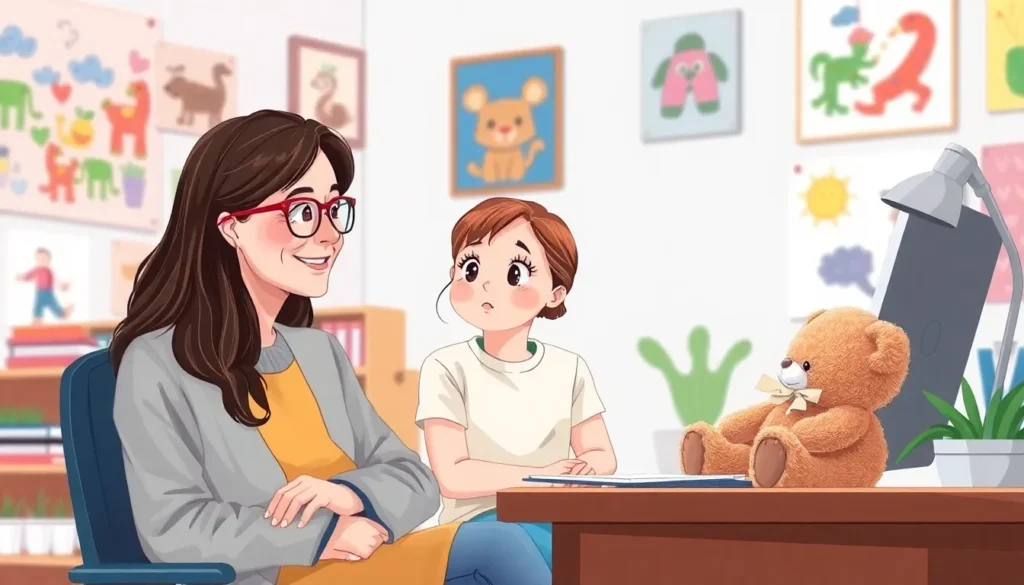
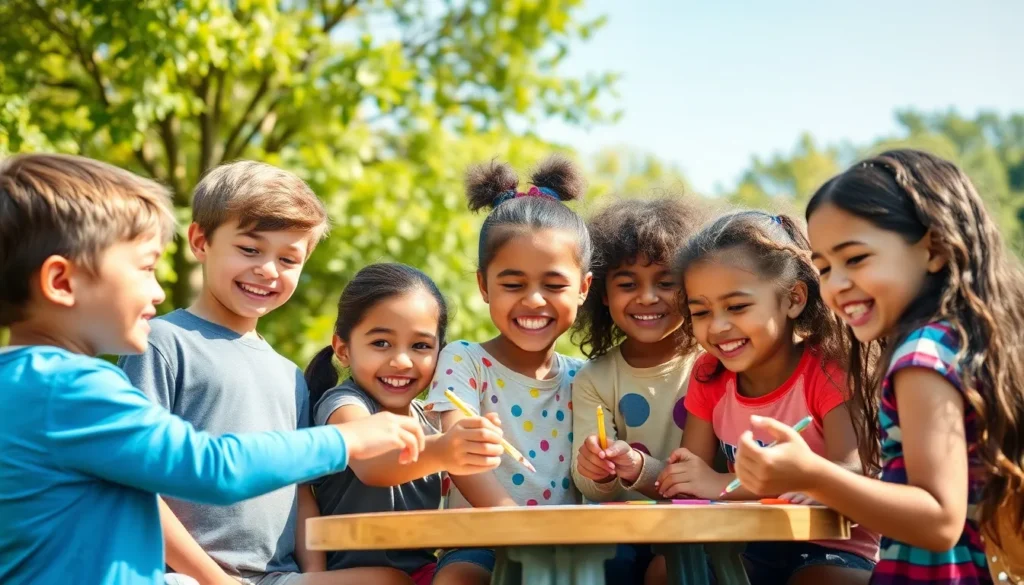
In a world where kids can master video games faster than they can tie their shoelaces, emotional growth often takes a backseat. But just like they need to learn to dodge flying toys, children must also navigate the wild and wacky world of feelings. Emotional growth isn’t just about avoiding meltdowns in the cereal aisle; it’s the key to building resilience, empathy, and confidence that will last a lifetime.
Understanding Child Emotional Growth
Emotional growth in children plays a vital role in their overall development. While mastering skills like video games comes easily, comprehending and managing emotions presents challenges.
Importance of Emotional Growth
Emotional growth fosters resilience, empathy, and confidence. These traits help children navigate social situations, cope with stress, and form meaningful relationships. Understanding emotions contributes to better decision-making and problem-solving abilities. Children with strong emotional skills demonstrate improved academic performance. Research indicates that emotional intelligence correlates with success in both personal and professional spheres later in life. Consequently, prioritizing emotional development lays a foundation for lifelong emotional wellbeing.
Stages of Emotional Development
Emotional development unfolds in several stages, each characterized by specific milestones. In infancy, children express emotions through crying, smiling, and cooing. As they grow, toddlers begin to identify and label emotions, responding to their feelings with more complexity. Preschool-aged children often display a broader range of emotions, such as jealousy and pride. During early childhood, kids start understanding others’ emotions, fostering empathy. By middle childhood, children can manage their feelings and develop coping strategies. Recognizing these stages enables caregivers to support children’s emotional growth effectively.
Factors Influencing Child Emotional Growth
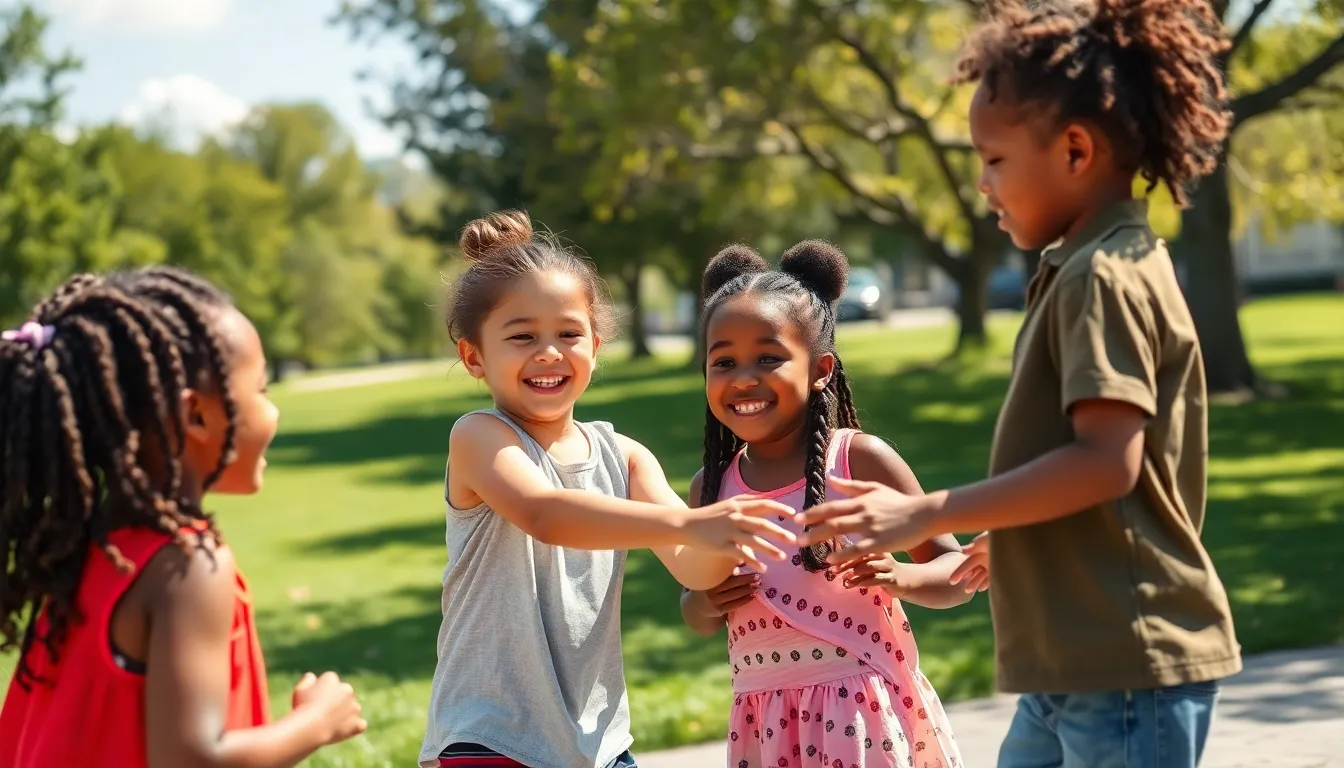
Various factors significantly influence child emotional growth. Understanding these influences helps caregivers provide appropriate support throughout the developmental stages.
Parenting Styles
Authoritative parenting fosters emotional growth by combining warmth and structure. Children in these environments often develop self-regulation and strong social skills. Conversely, authoritarian parenting might stifle emotional expression, leading to anxiety or low self-esteem. Permissive parenting can create challenges, as children struggle with boundaries, affecting their emotional understanding. Inconsistent parenting patterns can confuse children, hindering their emotional development. Recognizing these styles enables caregivers to adopt approaches that nurture children’s emotional capabilities.
Environmental Factors
Environmental factors play a crucial role in child emotional growth. Stable home environments promote secure attachments, facilitating healthy emotional expression. Exposure to supportive relationships with peers and adults enhances children’s ability to navigate emotions effectively. Communities offering diverse experiences enrich emotional intelligence. Alternatively, stressful environments can hinder emotional development, causing anxiety and behavioral issues. Access to resources like counseling and educational programs supports emotional growth, allowing children to thrive. Prioritizing these factors ensures children develop a well-rounded emotional foundation.
Strategies to Foster Child Emotional Growth
Fostering child emotional growth involves specific strategies that enhance emotional understanding and expression. Caregivers can implement effective techniques to support this vital aspect of development.
Encouraging Emotional Expression
Creating an environment that promotes emotional expression starts with open conversations. Caregivers should invite children to share their feelings without fear of judgment. By using age-appropriate language, they can help articulate emotions clearly. Providing examples of emotions, such as sadness or joy, aids children in recognizing their feelings. Modeling emotional openness reinforces this practice. Engaging in creative activities, such as drawing or storytelling, offers alternative outlets for expression. Regularly reinforcing permission to express feelings builds confidence over time, creating an emotional safe space.
Building Emotional Intelligence
Developing emotional intelligence begins with teaching children to recognize feelings in themselves and others. Caregivers can introduce activities that involve role-playing scenarios, helping children consider different perspectives. Asking questions about emotions in various situations encourages critical thinking about feelings. Teaching coping strategies, like deep breathing or mindfulness, assists children in managing overwhelming emotions. Regular discussions about character emotions in books or movies enhance empathy and understanding. Collaboration on setting emotional goals makes emotional learning a joint effort, promoting ownership and awareness of emotional health.
Challenges in Child Emotional Growth
Emotional growth in children faces several challenges. Understanding these obstacles can empower caregivers to provide better support.
Common Emotional Issues
Children frequently encounter common emotional issues. Anxiety, depression, and mood swings often disrupt their emotional development. Anxiety manifests as excessive worry or fear, impacting school performance and social interactions. Depression can show in withdrawal from activities and relationships. Mood swings may lead to unpredictable behavior, affecting family dynamics. Recognizing these issues early enables caregivers to seek appropriate interventions, promoting resilience and emotional stability.
Impact of Technology
Technology significantly influences child emotional growth. Overexposure to screens can lead to diminished face-to-face interactions, hindering emotional skills. Social media often creates unrealistic expectations, fostering feelings of inadequacy and isolation. Children who spend excessive time online may struggle with developing empathy and emotional regulation. Encouraging balanced technology use supports healthier emotional development. Setting boundaries allows children to engage naturally in real-life experiences, reinforcing essential social and emotional skills.
Fostering emotional growth in children is vital for their overall development. By understanding the stages of emotional development and the influences that shape it, caregivers can create supportive environments that nurture resilience and empathy. Implementing strategies that encourage emotional expression and intelligence equips children with the skills they need to navigate life’s challenges effectively.
Recognizing and addressing emotional issues early on can lead to healthier emotional outcomes. Balancing technology use and promoting real-life interactions further enhance children’s emotional capabilities. As caregivers prioritize emotional growth, they lay the groundwork for a generation equipped to thrive emotionally and socially.