



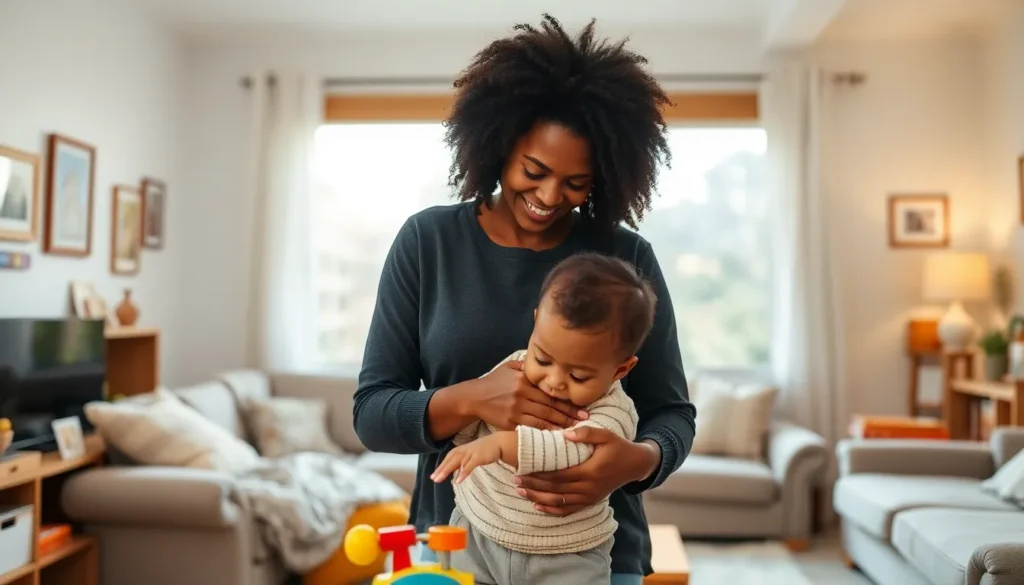

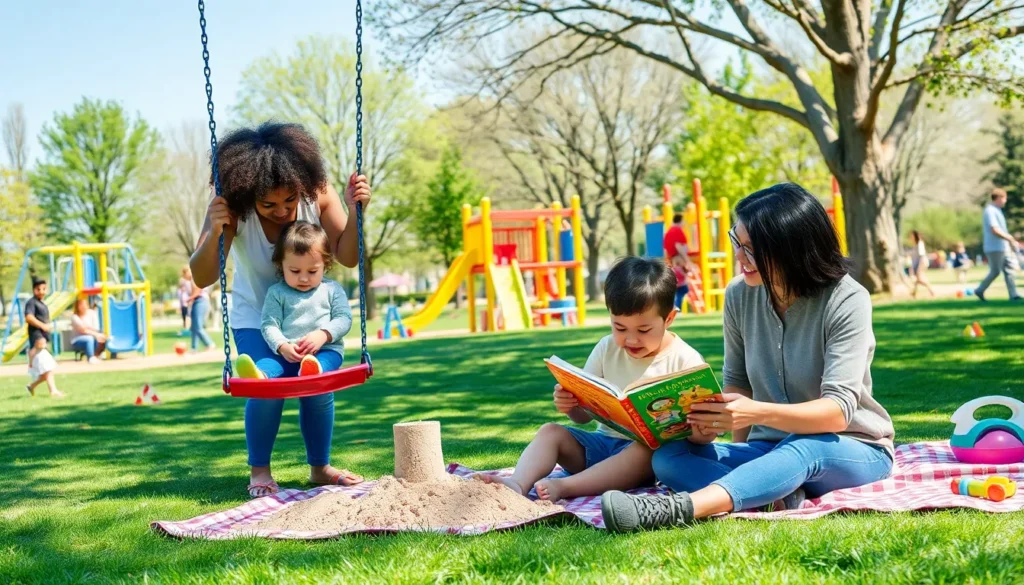
In the wild world of parenting, two terms often get tossed around like hot potatoes: solo parenting and single parenting. While they might sound like interchangeable buzzwords, they pack different meanings and implications. One’s a superhero flying solo, while the other juggles the delightful chaos of raising kids without a partner.
Understanding Parenting Terms
Solo parenting involves an individual taking full responsibility for raising children without a partner. This scenario often arises due to various circumstances such as divorce, separation, or the death of a partner. Solo parents typically navigate all aspects of child-rearing independently, which can lead to unique challenges.
Single parenting, on the other hand, denotes a parent raising children alone, primarily due to the absence of a partner. This can occur for numerous reasons, including never being in a relationship or becoming a single parent following a breakup. Common challenges faced in single parenting include financial instability, emotional stress, and limited support systems.
Both terms encapsulate the experience of parenting without a partner. However, while solo parenting highlights independence in managing child-rearing responsibilities, single parenting emphasizes the lack of a partner during this journey. Understanding these distinctions is crucial for comprehending the diverse experiences that different parents encounter.
Recognizing the differences helps clarify discussions around parenting support tools and resources. Many organizations and communities offer tailored programs to assist solo and single parents, addressing their specific needs. Language and support structures aim to acknowledge the distinct dynamics involved in their situations.
Solo Parenting
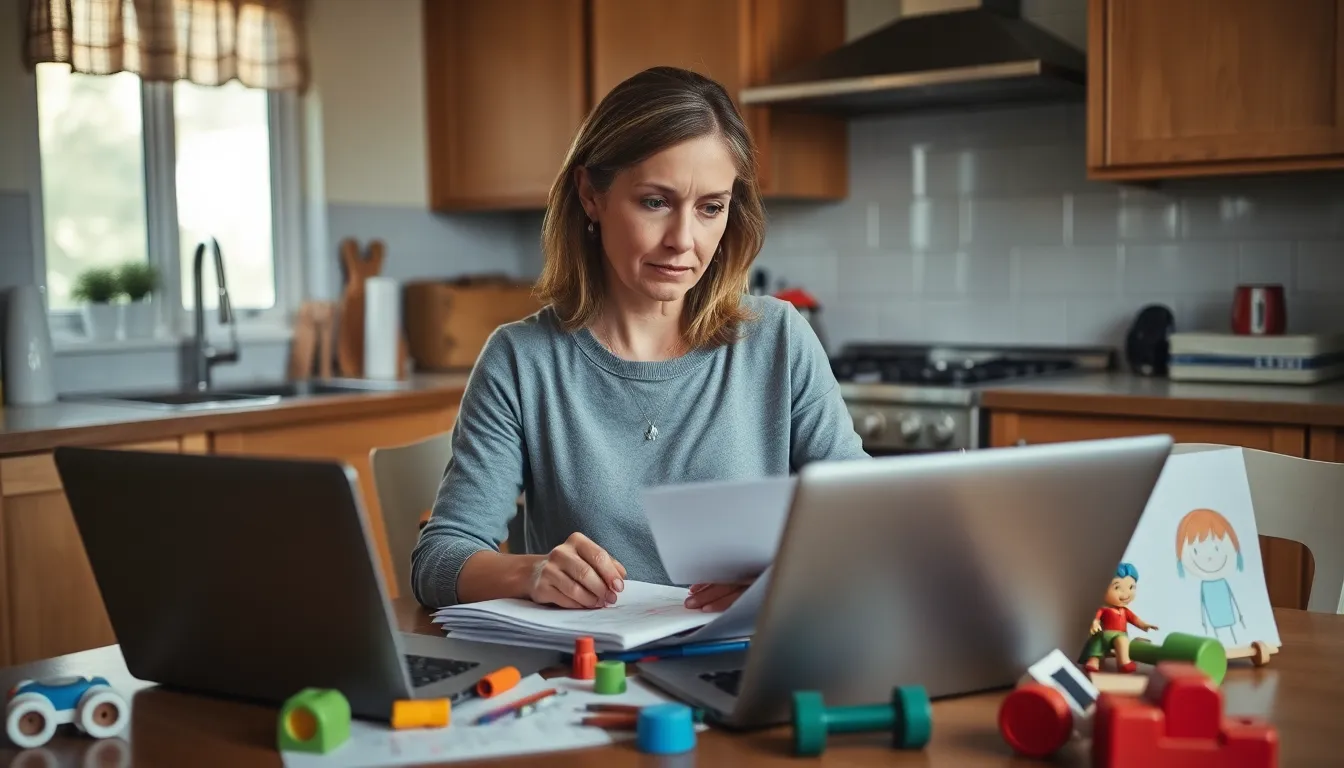
Solo parenting involves a person managing childcare alone, often due to circumstances like divorce, separation, or the death of a partner. This arrangement can create a unique set of responsibilities and experiences.
Definition of Solo Parenting
Solo parenting describes the scenario where one individual takes on the full range of parenting duties without the direct support of a partner. This situation may arise after a significant life change, impacting both the parent and the children. It emphasizes the need for self-sufficiency in child-rearing, while fostering independence and resilience. Understanding this definition clarifies the role of the solo parent and their specific challenges in daily life.
Challenges of Solo Parenting
Solo parenting introduces several challenges that can affect the emotional and financial stability of the family. Managing all household responsibilities, from childcare to finances, places significant pressure on the solo parent. Time management becomes crucial, as balancing work and parenting often leads to exhaustion. Financial strain may arise due to a single income, necessitating budgeting and resource allocation. Emotional stress from isolation can also contribute to feelings of loneliness. Seeking support networks or community resources helps alleviate some challenges, allowing solo parents to navigate their journeys more effectively.
Single Parenting
Single parenting involves raising children without the support of a partner. Various circumstances lead to single parenting, such as a divorce, a breakup, or never having been in a relationship.
Definition of Single Parenting
Single parenting describes the situation where one individual is solely responsible for raising their children. This scenario often arises when a parent separates from their partner or when a parent has children outside of a relationship. The focus remains on managing child-rearing duties alone, which can lead to a unique family dynamic. Recognizing the role that single parents play is essential, as they navigate daily responsibilities while also providing emotional support and stability for their children.
Challenges of Single Parenting
Single parenting presents several challenges that can impact both the parent and the children. Financial stress stands out as a significant concern, as many single parents operate on a limited income. Time management also proves difficult, with parents juggling multiple roles throughout the day. Emotional challenges emerge, too, often stemming from feelings of isolation or fatigue. Seeking out support networks becomes crucial in overcoming these adversities. Connecting with other parents or community resources fosters a sense of belonging, helping mitigate feelings of overwhelm.
Comparing Solo and Single Parenting
Understanding the differences and similarities between solo and single parenting helps clarify each experience. Both paths embody unique challenges and rewards.
Key Differences
Solo parenting involves one person managing parenting duties independently, frequently due to divorce or loss. This scenario often requires heightened self-reliance and resourcefulness. Single parenting, however, may arise from various situations such as never having been in a relationship or becoming a parent after a breakup. Financial structures differ between the two as well. Solo parents may face heightened financial strain since they typically juggle all household responsibilities alone. Single parents may have a support system in place, but they, too, experience financial limits due to one income source.
Similarities in Parenting Styles
Both solo and single parents often share common challenges, including emotional stress and time constraints. Managing household duties while raising children can create feelings of isolation. Despite these struggles, many prioritize nurturing their children’s well-being. Both types of parents seek support networks to combat their challenges. Emotional fatigue is a commonality, as both navigate the ups and downs of parenting alone. Effective parenting styles emerge from their shared experiences, cultivating resilience and adaptability.
Understanding the differences between solo and single parenting is essential for recognizing the unique challenges each type of parent faces. Solo parents often navigate their responsibilities alone, which can lead to increased financial and emotional strain. Meanwhile, single parents may have some support but still encounter significant hurdles.
Both groups prioritize their children’s well-being and seek community resources to help manage their situations. By acknowledging these distinctions, society can better support solo and single parents, ensuring they have access to the tools and networks necessary for fostering resilience and adaptability in their parenting journeys.