





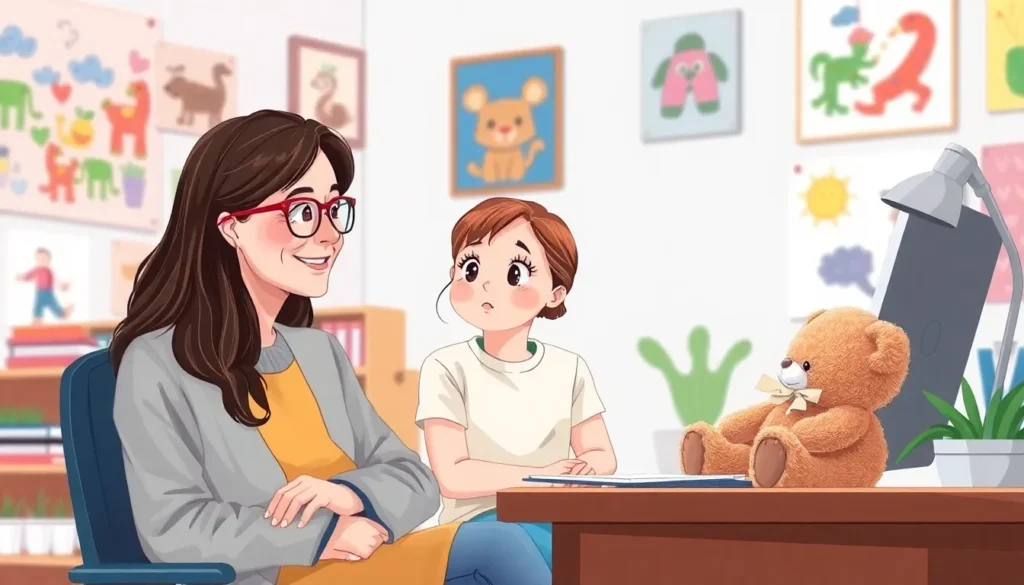
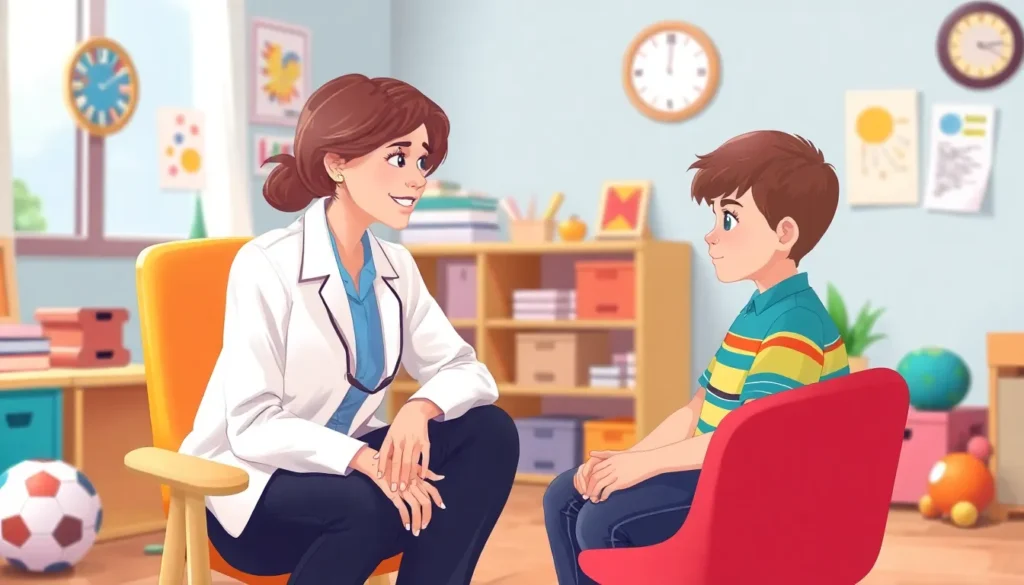
Finding the right child and adolescent psychiatrist can feel like searching for a needle in a haystack—if that haystack were also filled with a bunch of confused parents and a few overly enthusiastic clowns. But fear not! With a bit of guidance, you can locate a mental health professional who’ll help your child navigate life’s ups and downs while keeping the mood light.
Understanding Child And Adolescent Psychiatry
Child and adolescent psychiatry focuses on the diagnosis and treatment of mental health disorders in children and teenagers. This specialty integrates developmental psychology with medical knowledge to address unique challenges faced during these formative years.
What Is Child And Adolescent Psychiatry?
Child and adolescent psychiatry encompasses various mental health issues, including anxiety disorders, depression, ADHD, and behavioral problems. Clinicians in this field assess emotional and psychological well-being through interviews, observations, and standardized tests. They utilize evidence-based treatment approaches tailored to individual needs, fostering resilience and healthy development.
Importance Of Specialized Care
Specialized care is essential for children and adolescents experiencing mental health challenges. Mental health professionals trained in child psychiatry provide targeted interventions, understanding the impact of developmental stages on conditions. This tailored approach fosters effective communication and rapport, allowing for a better therapeutic relationship. Research shows that early intervention significantly improves long-term outcomes for young patients. Access to specialized care equips families with tools to navigate complex emotional landscapes, ultimately fostering healthier lifestyles.
Locating A Child And Adolescent Psychiatrist Near Me

Finding a child and adolescent psychiatrist nearby presents unique challenges for parents. Utilizing various resources can significantly ease this search.
Online Resources And Directories
Online platforms provide directories specifically for child and adolescent mental health professionals. Websites like Psychology Today and the American Academy of Child and Adolescent Psychiatry feature searchable databases. Filters allow users to search by location, specialty, and insurance acceptance. Many directories also include patient reviews, giving insights into clinicians’ approaches and successes. Apps like Zocdoc enable users to schedule appointments conveniently, enhancing accessibility. Checking these resources can streamline the process and connect families with suitable professionals.
Referrals From Pediatricians And Schools
Seeking referrals from pediatricians often yields valuable recommendations for child psychiatrists. Pediatricians possess extensive networks and knowledge of local specialists tailored for specific mental health concerns. Additionally, schools frequently maintain connections with mental health providers, particularly those familiar with common childhood issues. School counselors can direct parents to reputable psychiatrists who have experience addressing diagnoses like ADHD or anxiety. Contacting these trusted sources facilitates access to professionals who understand children’s unique needs and developmental stages.
Services Offered By Child And Adolescent Psychiatrists
Child and adolescent psychiatrists provide a range of specialized services tailored to support young individuals facing mental health challenges.
Evaluations And Diagnoses
Comprehensive evaluations identify mental health issues in children and adolescents. Psychiatrists often use standardized assessments to gain insights into a child’s emotional and behavioral health. These evaluations typically cover developmental history, family background, and symptoms. Accurate diagnoses rely on careful observation and collaboration with parents or guardians. Mental health professionals can discern whether behaviors indicate anxiety, depression, ADHD, or other disorders. Clear diagnosis sets the foundation for effective treatment, allowing for targeted interventions suited to the child’s unique needs.
Treatment Options And Therapies
Treatment plans vary based on each child’s individual needs and diagnoses. Child and adolescent psychiatrists often recommend therapies, including cognitive behavioral therapy, play therapy, or family therapy. Medications may also be prescribed when necessary to manage symptoms of mental health disorders effectively. Each approach emphasizes evidence-based practices tailored to promote resilience and personal growth. Regular follow-ups ensure that treatment remains aligned with the child’s evolving needs. Collaboration with schools and family members enhances support, creating a comprehensive framework for successful mental health management.
What To Expect During Your First Visit
During the first visit, families can anticipate a comprehensive evaluation tailored to their child’s unique needs. Child and adolescent psychiatrists prioritize understanding the child’s history, symptoms, and family dynamics.
Initial Assessment Process
The initial assessment process begins with a detailed interview. A psychiatrist will ask questions about the child’s behaviors, feelings, and interactions with others. Parents can expect to share information regarding the child’s medical history and any previous treatments. Standardized assessments may help identify specific mental health concerns, ensuring the psychiatrist gathers all relevant information. Collaboration between the psychiatrist and family members enhances the understanding of the child’s condition.
Building A Treatment Plan
After the assessment, the psychiatrist creates a customized treatment plan. This plan often integrates various therapeutic approaches with potential medications, depending on the diagnosis. Families will work closely with the psychiatrist to establish clear goals for their child’s mental health journey. Parents can expect discussions around different therapies, such as cognitive behavioral or play therapy, that best suit their child’s needs. Flexibility in the treatment plan allows for adjustments as the child progresses, ensuring the approach remains effective and relevant over time.
Questions To Ask A Child And Adolescent Psychiatrist
Asking the right questions can help gauge a potential psychiatrist’s suitability for a child or adolescent. Here are key areas to consider.
Inquiries About Qualifications
Children and their mental health require specialists trained in this unique area. Parents should inquire about the psychiatrist’s education, residency, and any additional training in child and adolescent psychiatry. Confirming board certifications provides an added layer of assurance. Experience matters, particularly regarding specific disorders like anxiety or ADHD. It’s crucial to ask how long the psychiatrist has worked in the field and with what age groups. Additionally, understanding ongoing professional development can reveal the psychiatrist’s commitment to staying current with evolving practices and treatment strategies.
Discussion On Treatment Approaches
Understanding treatment strategies helps parents make informed decisions. Parents might ask about the specific therapeutic methods the psychiatrist utilizes, such as cognitive behavioral therapy, play therapy, or family therapy. It’s important to understand how these methods are tailored to meet individual needs. Exploring the psychiatrist’s views on medication as part of treatment can also provide clarity. Parents should seek details on how treatment plans are created and adjusted over time. Open discussions about collaboration with schools and families can enhance the effectiveness of the proposed interventions. Additionally, knowing how progress is monitored ensures parents remain engaged throughout the treatment journey.
Finding the right child and adolescent psychiatrist can feel daunting but it’s a crucial step in supporting a child’s mental health. With the right resources and guidance parents can navigate this journey more effectively. By utilizing online directories seeking referrals and asking the right questions parents can identify a professional who fits their child’s unique needs.
Specialized care in child psychiatry is vital for addressing the complexities of mental health in young individuals. Engaging with a qualified psychiatrist not only helps in accurate diagnosis but also paves the way for tailored treatment plans that foster resilience and growth. Prioritizing mental health is an investment in a child’s future well-being and happiness.